“Known All Over the Country:” the Burrton Opera House

by Kristine Schmucker, HCHM Curator

Once towns were established with business and services, Harvey County citizens began to think about the finer things in life. One measure of success was the ability to provide space for entertainment and the fine arts. For many prairie towns the opera house was a symbol of refinement. During the last decades of the 1800s, two Harvey County towns constructed an opera house.  Newton’s Rasgdale was constructed in 1884-85 and at the same time, Burrton was also constructing a place for the community to gather for entertainment.
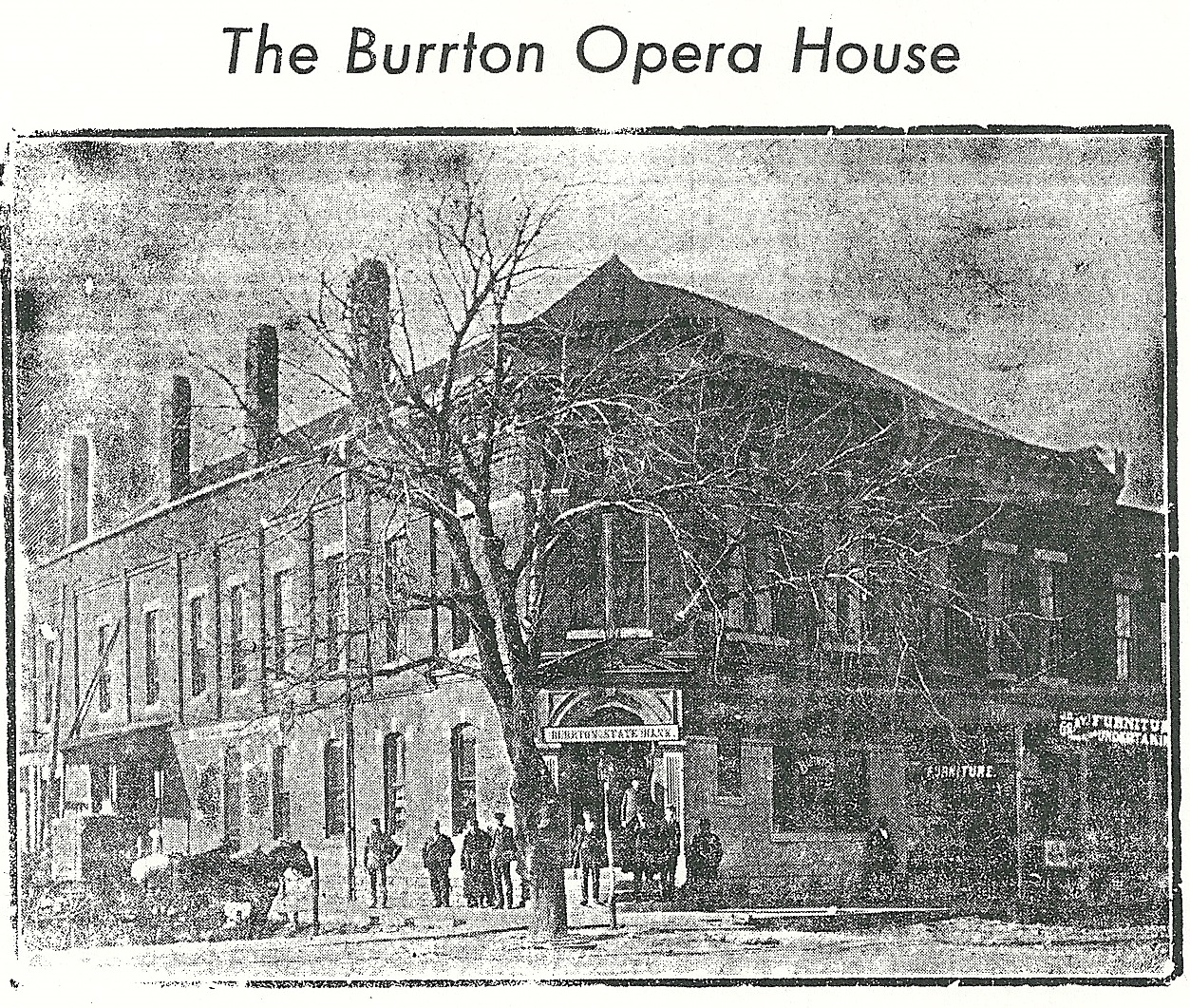
Burrton Opera House, and Burrton State Bank, pre-1926.

Burrton Opera House, and Burrton State Bank, pre-1926.

Built in 1885, the Burrton Opera House

was known all over the country for the excellent stage plays presented.  Large crowds climbed the long steep flight of wooden steps to see Grace George, Georgia Troubadours, Monara Minstrels and such epics as Uncle Tom’s Cabin and East Lynn.”

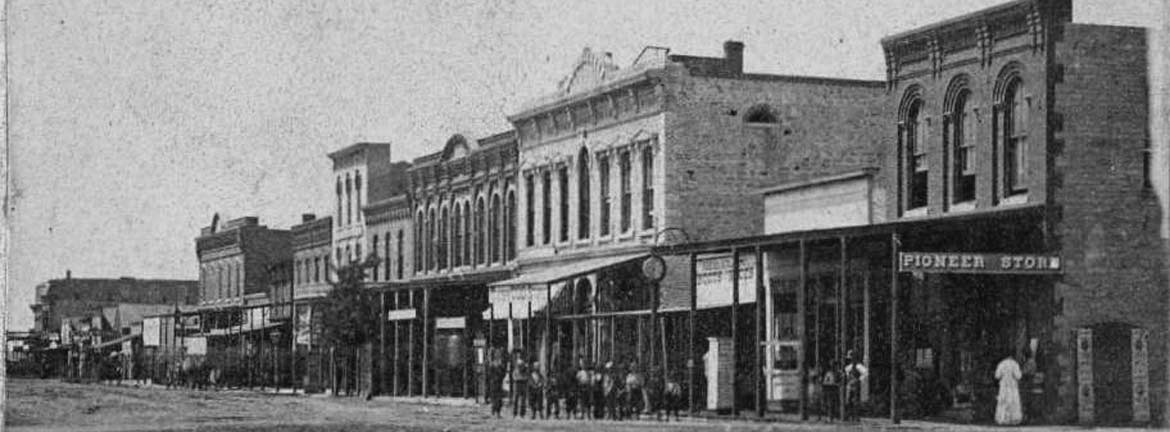
North Main, Burrton, Ks, 1910.  Postcard, color tinted. HCHM Photo Archives

North Main, Burrton, Ks, 1910. Postcard, color tinted. HCHM Photo Archives

In 1910, the Cyclopedia of Kansas noted that  Burrton had a population of 689.  At that time the small community boasted two banks, two weekly newspapers, several churches, a public school, an opera house, and several “first class mercantile houses.”  Services also included a post office with four rural routes and telegraph and telephone service. The thriving town made good use of its opera house.

Like the Ragsdale, the Burrton Opera House served more than one function.  School activities, programs and graduations were held at in the auditorium.
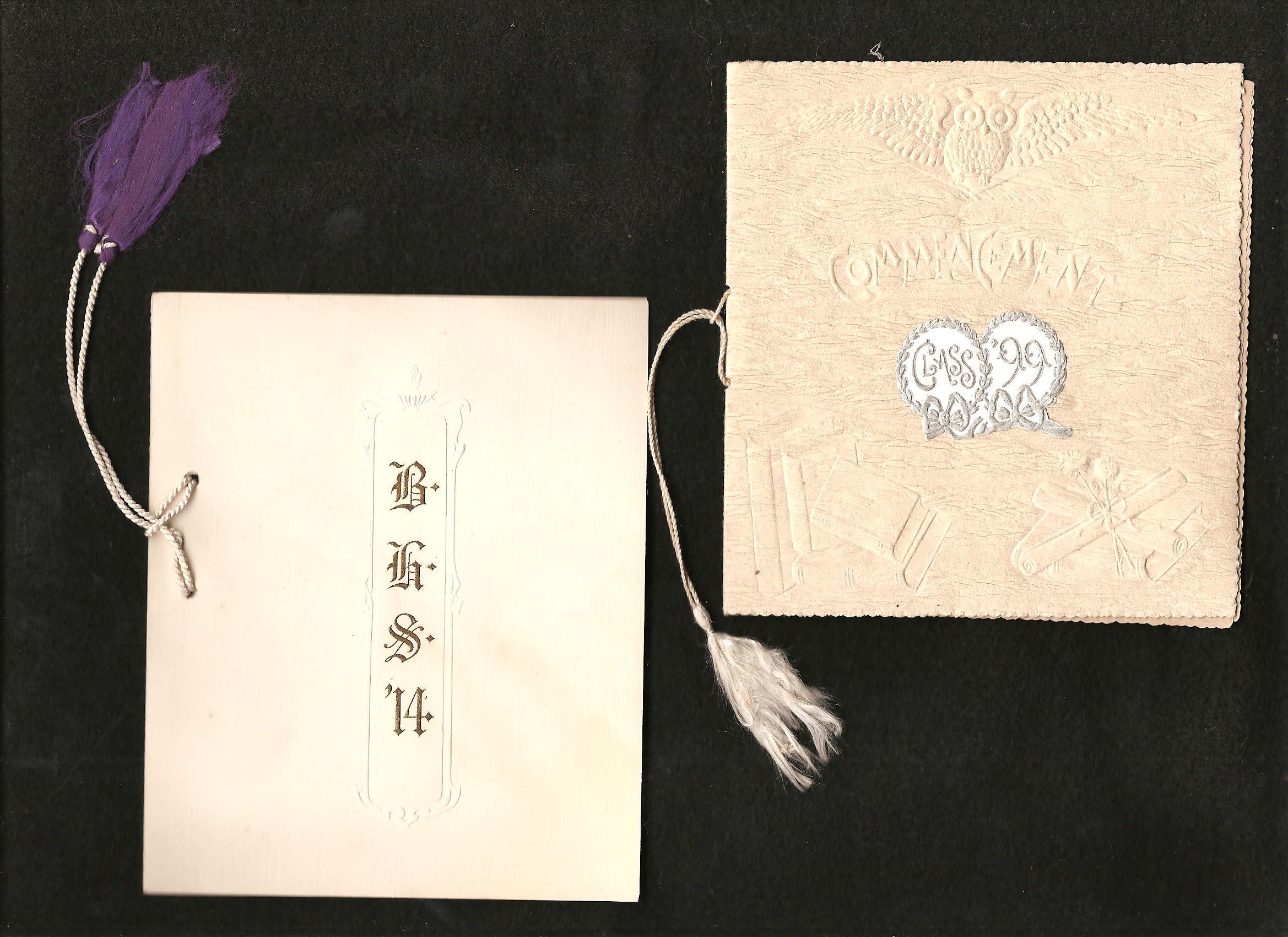
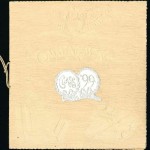
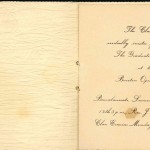
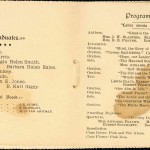
Two Burrton High School Graduation Programs from 1914 and 1899.  the ceremonies were held at the Opera House. Programs courtesy Nancy Krehbiel.

Two Burrton High School Graduation Programs from 1914 and 1899. the ceremonies were held at the Opera House. Programs courtesy Nancy Krehbiel.

 1899 Burrton High School Graduation Program

Before radio or television, the Opera House was the place to gather on election night.

Returns came in by wire to the depot and the operators took down the message.   Teenage boys rode their bicycles to the depot, picked up the latest  returns, rode furiously back the three blocks, charged wildly up the long flight of stairs and down to the stage, where the standings were read off by someone with a good strong voice.”

Claytie Hoskinson described the atmosphere at the Opera House on election night.

 “On election evening we had an early supper and then everyone converged at the old “Opera House” to hear the returns. Upstairs there were two great pot bellied stoves, red hot with wood and coal fires and the whole place was surprisingly comfortable  . . . There was entertainment but the big event was reading of the wires as they came from the depot.  . . .  It was terribly exciting, especially if your candidate was winning and we sat on the edge of our chairs and the battle raged back and forth.”

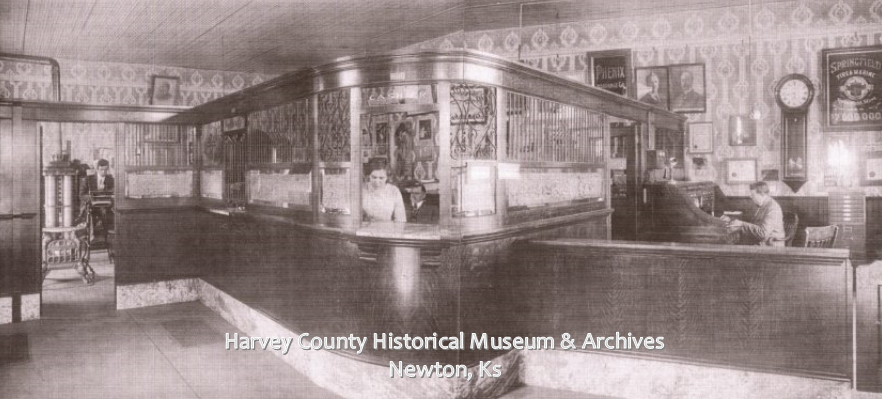
In addition, the building housed the Burrton State Bank and a furniture store.
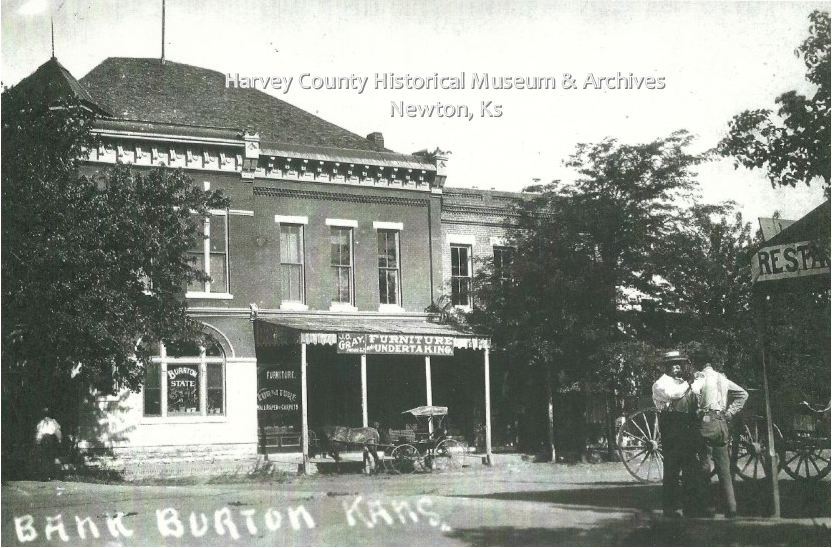
Opera House Block, Burrton, 1910.  Burrton State Bank, J.O. Gray Furniture & Undertaking.
Opera House Block, Burrton, 1910. Burrton State Bank, J.O. Gray Furniture & Undertaking.

Burrton State Bank Interior
Burrton State Bank Interior

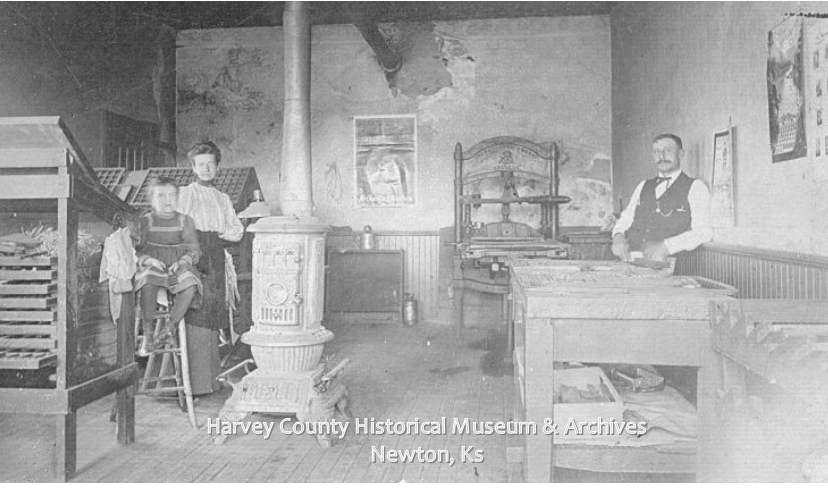
Jake Dick's Printing Office Interior, 1910.

Jake Dick’s Printing Office Interior, 1910.

Traveling shows would frequently stop in Burrton.  Milburn Stone, Burrton native and actor,  performed many times “under the canvass, in the old Opera House”  during the early part of his career. He was with a traveling show known as the Wallace Bruce Players.

For several years the Burrton Opera House was also the site of an “Old Fiddler’s Contest.”  In March 1916, fifteen people competed in the contest and a local man, James Kile, took third place. His prize was $4.00.

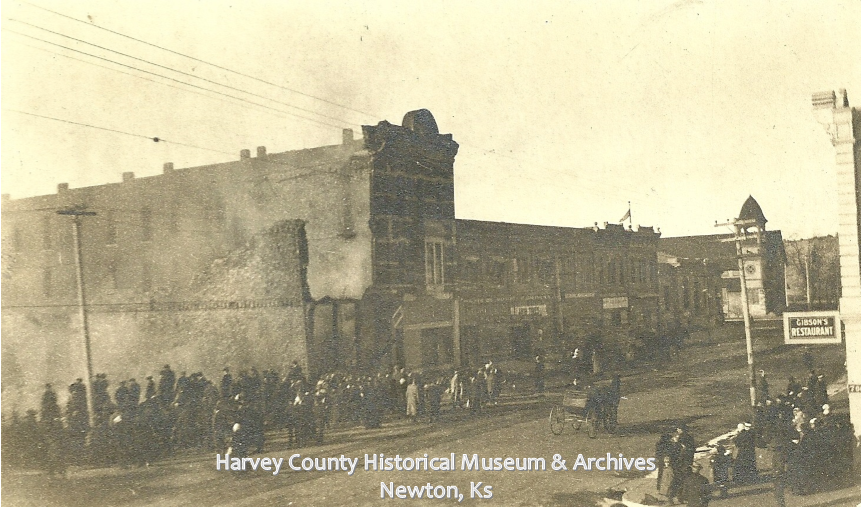
In 1926, the Burrton Opera House burned. Several other businesses were also affected including a furniture store, barber shop, telephone office, and the real estate office of Judge W.L.D. Daily.
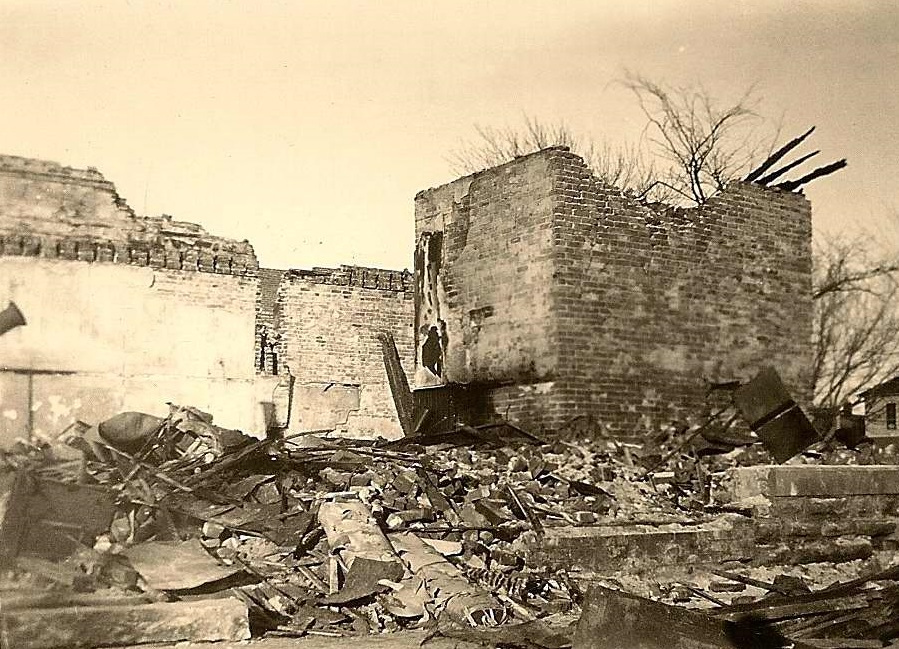
Rubble of the Burrton Opera House, 1926.

Rubble of the Burrton Opera House, 1926.

From "Burrton, Kansas Centennial, 1873-1973.

From “Burrton, Kansas Centennial, 1873-1973.

Sources:

  • Findley, Nedra & Paula Hoskinson.  Burrton, Kansas Centennial: 1873-1973.  HCHM Archives.
  • HCHM Photo Archives.
  • Nancy Krehbiel Personal Collection.
  •  http://burrtonkansas.com/history.htm
  • http://www.burrtonhistory.com/index.php/galleries/83-downtown-burrton/73-the-sun-outdone-in-burrton-1888
  • James J. Kile (1873-1947), Star Cemetery, Harvey County, KS, Find A Grave Memorial.
  • Cyclopedia of Kansas, 1912, Burrton at http://ksgenweb.com/archives/1912/b/burrton.html, page 259 from volume I of Kansas: a cyclopedia of state history, embracing events, institutions, industries, counties, cities, towns, prominent persons, etc. … / with a supplementary volume devoted to selected personal history and reminiscence. Standard Pub. Co. Chicago : 1912. 3 v. in 4. : front., ill., ports.; 28 cm. Vols. I-II edited by Frank W. Blackmar. Transcribed May 2002 by Carolyn Ward.
  •  http://www.kshs.org/kansapedia/opera-houses/14232
Lost Harvey County: An Album

by Kristine Schmucker, HCHM Curator

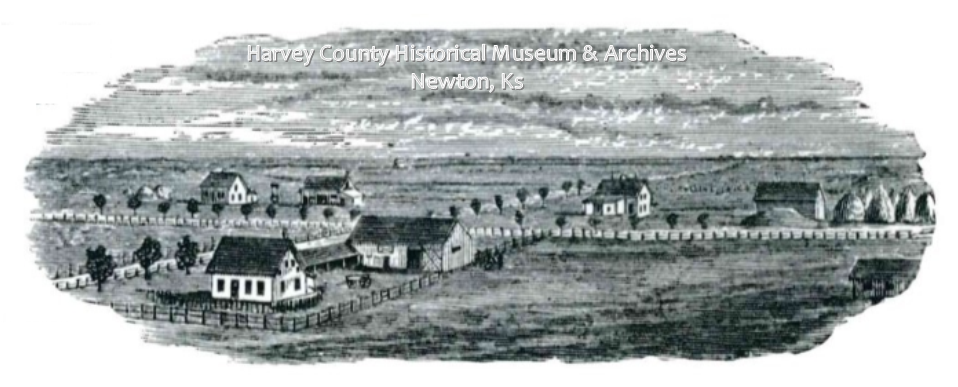
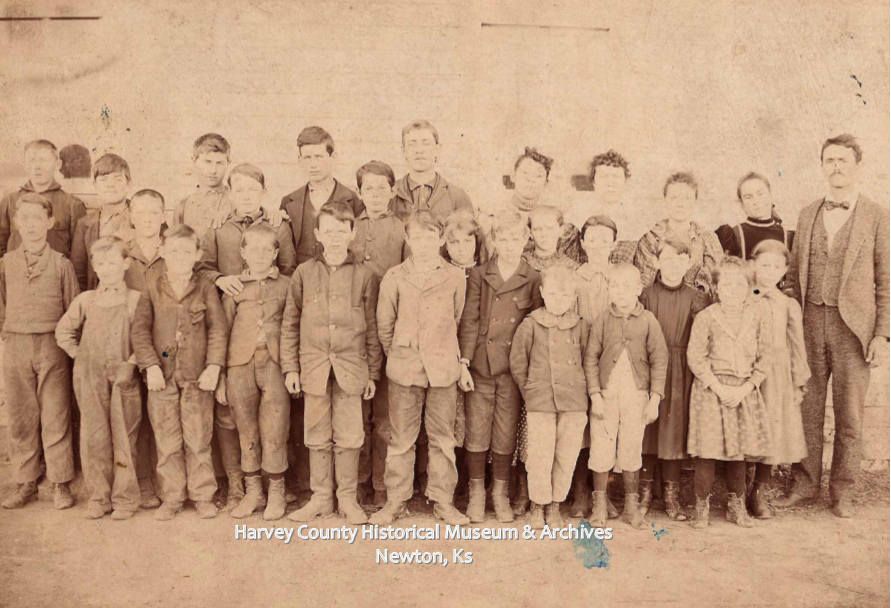
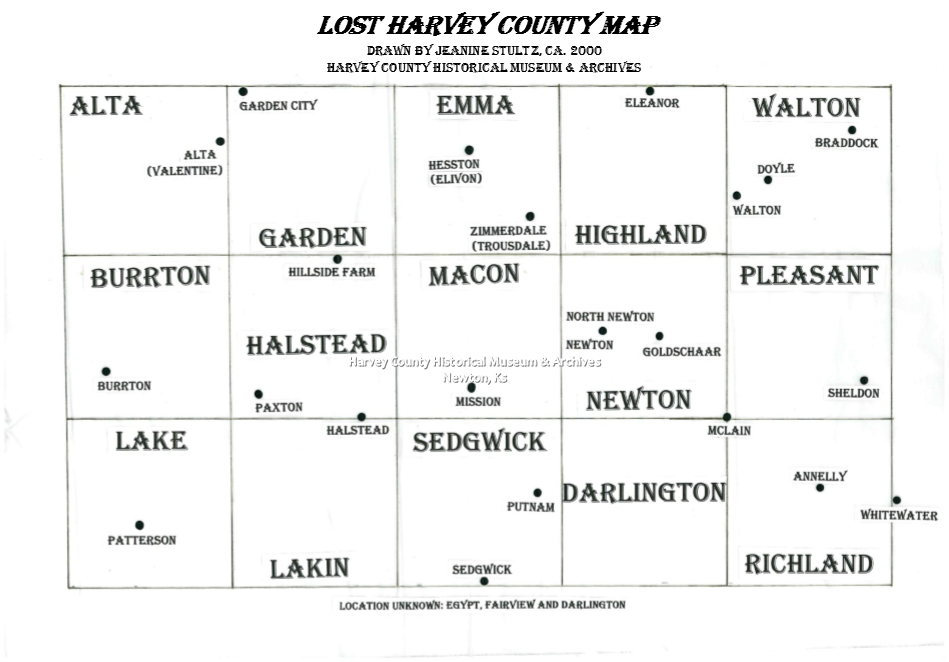
Sometimes all that is left is a photograph of a group of children or an obscure mention in a history book, but Harvey County can count at least 17 lost towns since 1871. Some were only on the map for a year or two, boasting a post office and maybe a blacksmith shop. Others, like Annelly, were the site of a school long after the post office and other services had disappeared. Several, like Alta Mill and Zimmerdale, were once thriving, if small, communities. The reasons for their disappearance vary.

Lost Harvey County Map, drawn by Jeanine Stultz, ca. 200.

Lost Harvey County Map, drawn by Jeanine Stultz, ca. 2000. Click to enlarge.

This post is simply a listing of the communities that we know about at this time with the dates of the post office, if available.  Along with the listing are the photos that we have in our collection that have been identified as from that community.

We would welcome any information or photographs on any of these, or other, Harvey County communities.  We have the capability to scan documents and photographs, so a person can keep the original if they want. Watch for future blog posts as information becomes available.

Alta Mills/Valentine, Alta Township

  • Post Office: January 1877 – July 1901
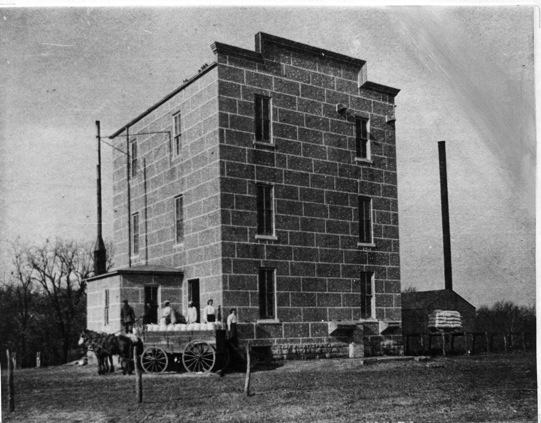
Alta Mill

Alta Mills, ca. 1898

There are actually several articles and a web page focused on the history of the Alta Mill area.

For the story behind the name “Alta,” visit the Mystery of Alta Muse 

Annelly, Richland Township

  • Post Office: August 1885 – December 1921
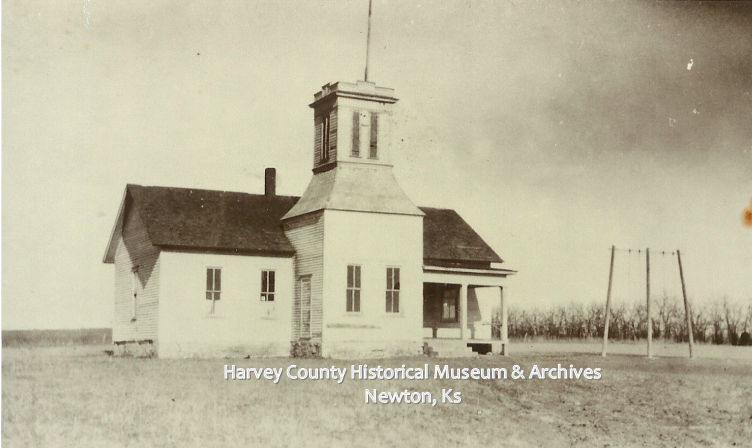
Annelly School, 1877.

Annelly School, 1877.

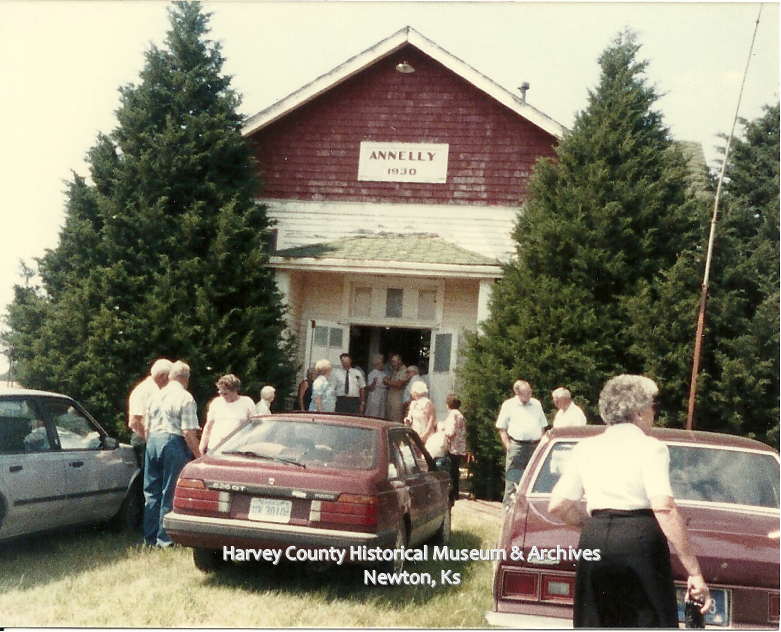
Annelly School, June 1987.

Annelly School, Reunion, June 1987.

Braddock, Walton Township

Doyle, Walton Township

Darlington, unknown Harvey County location – likely Darlington Township

  • Post Office : April 1878-October 1873.

Egypt, unknown Harvey County location 

  • Post Office: July 1884 – January 1885
  • One early map has Egypt located in Lake Township, to the south east and slightly below Patterson, with railroad tracks.

Eleanor, Highland Township

  • Post Office: June 1883 – August 1898

Garden City, Garden Township

  • Post Office: August 1872-August 1878

Goldschaar, Newton Township

  • Community established in 1877 by Prussian Mennonites, no Post Office.
  • Goldschaar means “Golden Plowshare.”
goldshaar-1

Goldschaar, 1877.


Goldschaar  also has  a well documented history in connection to the three families that initially settled the small village.

Hillside Farm, Halstead Township

  • Post Office: September 1872 – August 1876

McLain, 

  • Post Office: April 1886 – May 1906
Centennial School, 1898, Will Patton, teacher. Located near McLain, Ks

Centennial School, 1898, Will Patton, teacher. Located near McLain, Ks

Mission, Macon Township

Mission ATSF Tower, Harvey County, 1911.

Mission ATSF Tower, Harvey County, 1911.

Patterson, Lake Township

  • Post Office: May 1888-January 1927
patterson-1

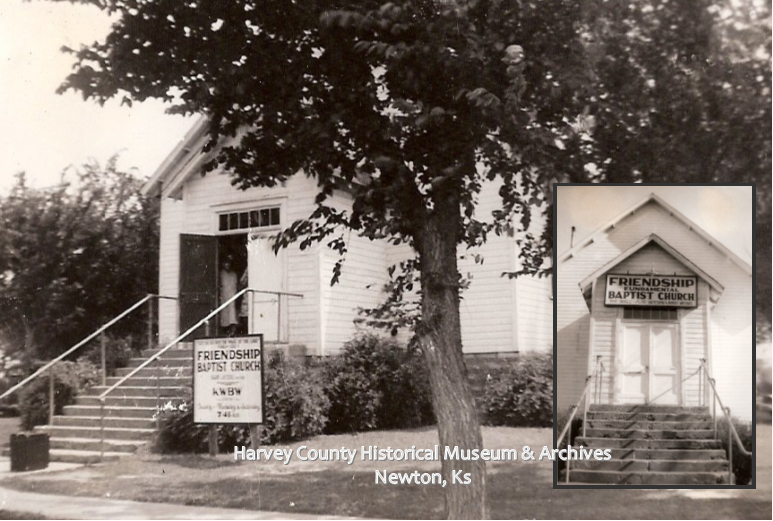
Friendship Fundamental Baptist Church, January 1945, Patterson, Ks

Putnam, Sedgwick Township

  • Post Office: May 1891 – June 1907

Sheldon, Pleasant Township

  • Post Office: July 1871 – October 1885 or 1888.  David E. Sheldon postmaster.

Trousdale/Zimmerdale, Emma Township

  • Post Office: November 1893 – September 1906
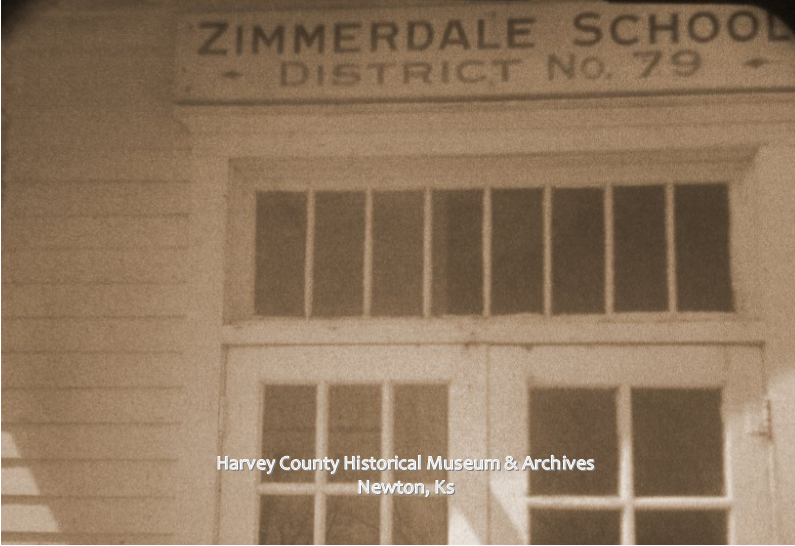
Zimmerdale School No. 79, 1961.

Zimmerdale School No. 79, 1961.

Zimmerdale  was first known as “Trousdale” after the early settler W.J. Trousdale.  The name was changed to Zimmerdale,  a combination of another family in the area, Zimmerman, and Dale for the Trousdale family.

Lloyd Nebergall tanker at Vicker's Station, Zimmerdale, 1939.

Lloyd Nebergall tanker at Vicker’s Station, Zimmerdale, 1939.

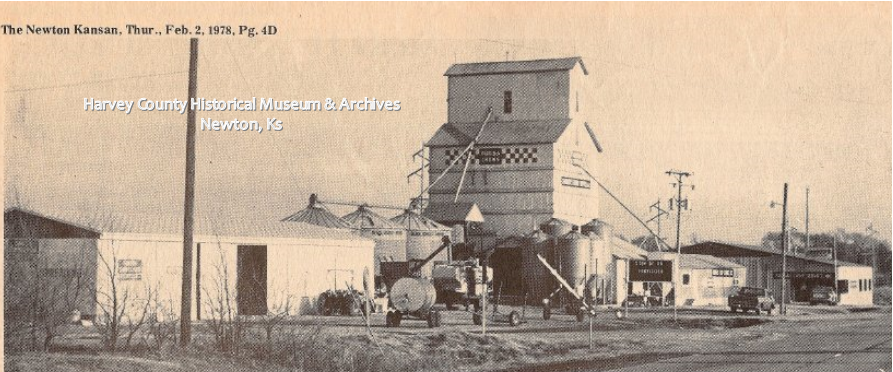
Elevator at Zimmerdale, 1970s.

Elevator at Zimmerdale, 1970s.

Sources:

  • Baughman, Robert.  “Kansas Post Offices” in Lost Harvey County File, Curator’s Office, HCHM.
  • “Lost  Harvey County” File, Curator’s Office.  Contains notes from research by Jeanine Stultz in the early 2000s.
  • HCHM Photo Archives.

Open For Business – Again

by Kristine Schmucker, HCHM Curator

Note: This post concludes our three part series on the Ragsdale/Knoepker Opera House Fire, January 1, 1915.

It is hard to imagine what Thomas H. McManus thought on the morning of January 1, 1915 after viewing the destruction of his business, for the second time in five months. The Weekly Kansan Republican noted that McManus“had no statement to make . . . He is very much discouraged.”

A heavy loser in the fire that consumed the 500 block of Main in August, McManus was temporarily located in the Opera House while he was rebuilding his store at 516 Main.

 McManus Department Store, 510-512-514, Main, Newton, 1911.

McManus Dept. Store, 1911.

McManus Dept. Store, 1911.

Scene from 4 August 1914, McManus Department Store, 510-512-514, Main, Newton.

mcmanusstore1914

After the August 4, 1914 Fire

mcmanusdetail1914

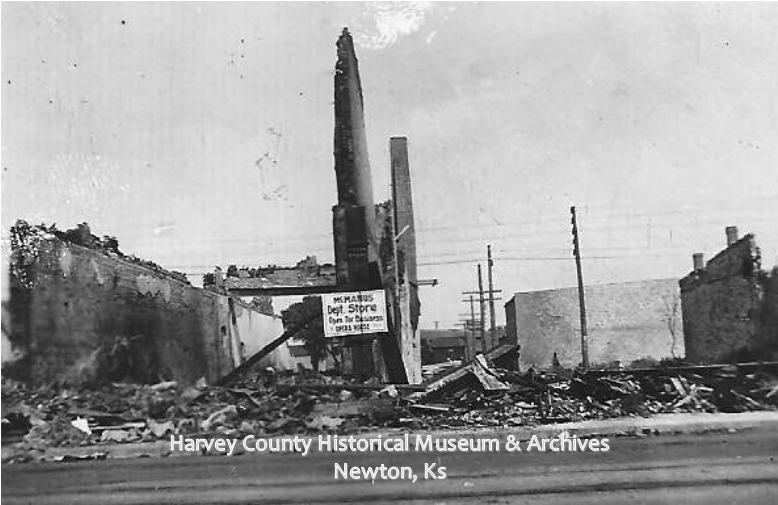
McManus Dept Store Open For Business Opera Block

According to the newspaper reports after the Opera House fire, he was well stocked with new merchandise.

“The heaviest loser, aside from the owner of the opera block, is T.H. McManus, who has built up the stocks of his department store in this building since the great fire in August, when he was also one of the heaviest losers.  . . the rooms occupied were packed full of new goods.  the store occupied the entire front of the first floor and a part of the second floor.”

Bystanders had been able to rescue “a few armsful of ready-to-wear garments,” McManus’ desk, and the “safe was dug out of the debris.”  Everything else was a loss.

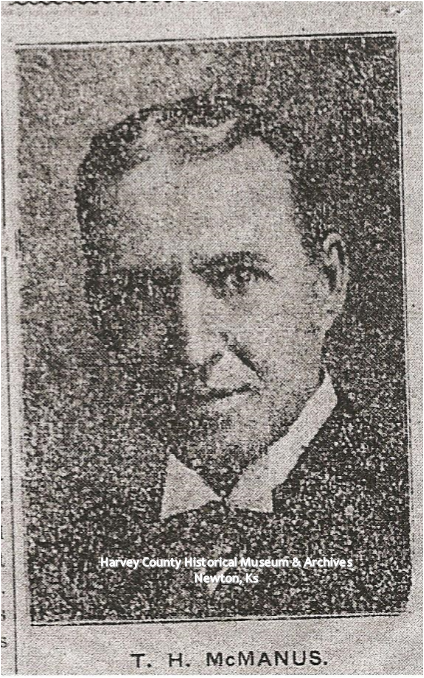
Born in Ireland in the mid-1860s,  Thomas H. McManus had immigrated to the United Sates in the 1880s.  In February 1895, he purchased purchased the dry goods portion of H.M. Walt’s Newton store.  A year later, McManus married a Kansas girl by the name of Bernice.  They had at least two daughters,  A. Irene, born in 1897, and Bernice, who died at eleven months.  For a short time, his brother Bernard, was also part of the business.

T.H. McManus, 1914

T.H. McManus, 1914

Following the opera house fire, the Weekly Kansan Republican had words of encouragement for McManus.

“He has overcome great obstacles . . . and will not himself be overcome by this last disaster.  He is, of course, undetermined on future plans in detail, but Newton needs Tom McManus, and will pardon the expressed thought that his greatest asset is his loyal friends in the locality.” 

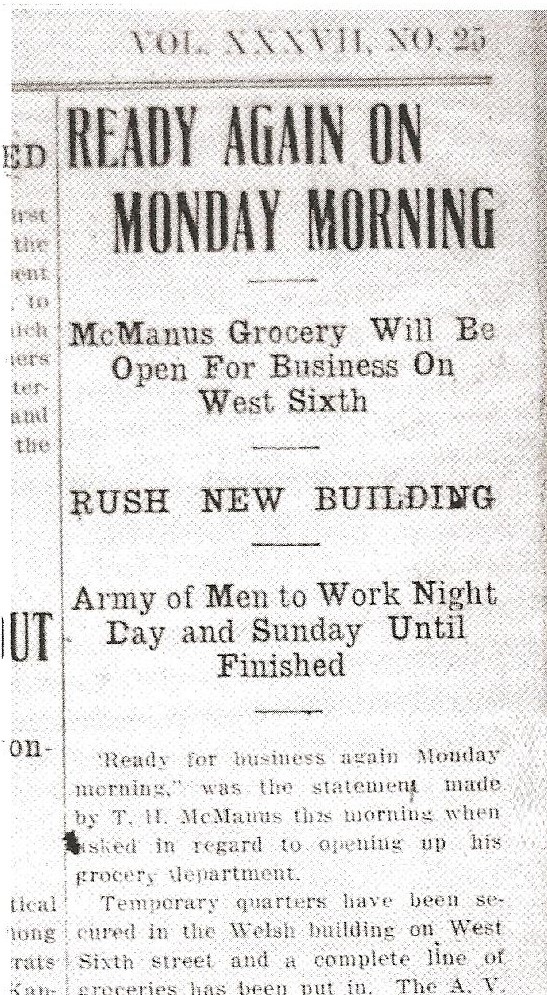
On January 2, McManus announced that the grocery portion of his business would be ready to open at a temporary location on west 6th.  In addition, he expected to be in his new building on Main by the middle of January.  Noting that he “has employed 113 men . . . and they will be kept at work night and day until the work is finished.”

Newton Kansan Republican, 2 January 1915

Newton Kansan Republican, 2 January 1915

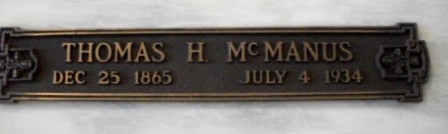
McManus operated some form of his business in Newton until approximately 1920.  At some point after 1920, the McManus family moved to California.  Bernnice McManus died in 1928 and Thomas in 1934.  There are both buried at the Forest Lawn Memorial Park, Glendale, California.

Thomas H. McManus Marker at Forest Lawn Memorial Park, CA

Thomas H. McManus Marker at Forest Lawn Memorial Park, CA

Trousdale Building

Although McManus lost the most, several other businesses also suffered from the fire.  The Trousdale Building was the structure to the north of the opera house. A hotel, operated by J.E. Hall, and Marten Motor Co were located in the building. In addition to hotel guests, Hall and his wife lived in the building and lost all of their personal possessions in addition to new furniture for their new restaurant.

Opera House Fire, January 1, 1915.  Building at the far right Marten Motor Co, 709 N. Main.

Opera House Fire, January 1, 1915. Building at the far right Marten Motor Co, 709 N. Main.

Once the structure was “declared safe,” the Martin Motor Co.  continued to operate in the Trousdale Building. Until the evening of January 6, when,

“during the worst of the wind storm they [the walls] were blown over. The bricks fell on the top of Martens garage . . . and the roof on the south side was caved in and the automobiles which were kept in the building were covered with falling brick and wood. . . there is not much chance of any of them being repaired.”

Martin Motor Co. after January 6, 1915

Marten lost two cars, both Buicks, one of which had never been used. Seven other men lost cars they had stored there. Luckily, only one person was in the building at the time, Dora Dahlem worked for Marten Motors, and she was able to get out safely.  She reported that “from the noise that was made she thought that an earthquake was taking place.” The damage was estimated to be around $8,000. Following the collapse, “a force of men was set to work . . . tearing down part of the third story in order to prevent another occurrence.”

Total losses for the opera house fire $158,000 and affected six businesses, not including Knoepker’s loss as property owner. Those affected included; T.H. McManus, J.E. Hall, W.J. Trousdale, Mel Reynolds, John Murphy and Martens.

The cause of the fire that consumed the Ragsdale/Knoepker Opera House, took one life, and damaged nearby structures in the early morning hours of January 1, 1915, was never determined.

Sources:

  • Evening Kansan Republican, 1 January 1915, 2 January 1915.
  • Weekly Kansan Republican, 7 January 1915.
  • Newton Journal 8 January 1915.
  • Newton City Directories:  1887, 1902, 1905, 1911, 1913, 1917, 1919, 1931.
  • U.S. Census, 1900, 1910.
  • Early Fire Protection In Newton, Kansas, 1872-1922.
  • Newton Kansan 50th Anniversary, 22 August 1922.
  • Fent, Mary Jeanine. Ragsdale Opera House — Newton, Kansas, 1885-1915. MA Thesis, University of North Carolina at Chapel Hill, 1977. HCHM Archives.
  • HCHM Photo Archives
  • Find A Grave, Thomas H. McManus and Bernice McManus.